Performing Umrah in 2026 involves a new experience compared to previous years. Saudi Vision 2030 has changed the pilgrimage through digital updates and better infrastructure. You need to understand these new systems to ensure a smooth journey. New features like the Haramain High Speed Railway, upgraded airports, and mandatory apps will shape every step of your trip.
This guide provides an end-to-end plan, covering everything from visa application to performing the holy rituals.
Phase 1: Pre-Departure Logistics
Visa Types and 2026 Changes
You must select the correct visa based on your nationality and plans. There are three main options available for pilgrims.
Saudi Tourist Visa: Citizens from the UK, USA, Canada, EU, and similar regions usually qualify for this electronic visa or Visa on Arrival. It allows you to perform Umrah outside of the Hajj season. It is often valid for one year with multiple entries.
Umrah Visa: Pilgrims from countries like Pakistan, India, and Bangladesh often need a dedicated Umrah Visa. This is usually processed through approved travel agents and includes a service package. It is a single-entry visa valid for a specific period.
Stopover Visa: If you fly with Saudia or flynas, you might be able to get a Stopover Visa. This is suitable for a short visit to perform Umrah while traveling to another final destination.
Digital Mandatory Tools
Digital tools are required by the Ministry of Hajj and Umrah. You must download and register on the Nusuk Platform using your passport and visa details. This tool is essential for planning your Umrah. You need it to obtain permits and to book specific time slots for praying in the Noble Rawdah in Al Masjid an Nabawi.
Budgeting for 2026
Your budget depends on the level of service you choose. You should plan in Saudi Riyal (SAR) and check conversion rates before you travel.
Economy: Includes basic accommodation in areas like Aziziyah with shared transport.
Mid-Range: Includes hotels within walking distance of the mosques and better flight timings.
Luxury: Includes 5-star services and hotels within the Clock Tower complex or facing the Haram.
Digital payments using Apple Pay and credit cards are widely accepted across the Kingdom. However, you should carry some cash for small shops or taxis. It is wise to add a buffer of 10 to 20 percent to your budget for unexpected costs.
Phase 2: Strategic Scheduling
Weather and Crowds
You need to balance comfortable weather with crowd levels.
Winter Season (November to February): This is peak season due to cooler temperatures. Expect high crowds in the Mataf and higher prices.
Summer Season (June to August): Temperatures are extremely hot, but the crowds are significantly smaller. If you choose this time, you must stay hydrated and use shaded paths.
Ramadan: This period offers the highest spiritual rewards but attracts the most pilgrims. It requires advanced booking and patience with crowds.
Post-Hajj Season: The months immediately following Hajj often offer a calm atmosphere with better availability, making it a good time for families.
Duration
Plan your itinerary to cover both holy cities. A standard 10-day trip is a common recommendation. You can allocate 5 days for Makkah to perform Umrah and 5 days for Madinah. Alternatively, a shorter 5-day trip is suitable for those who have visited before, while a 7 to 10-day trip is better for first-time pilgrims or families who need rest days.
Phase 3: Accommodation and Transport
Transport
You will likely land at King Abdulaziz International Airport (KAIA) in Jeddah or Prince Mohammad Bin Abdulaziz International Airport in Madinah. Landing in Madinah first allows for a calm start, while Jeddah is closer to Makkah. For travel between Makkah and Madinah, the Haramain High Speed Railway is the most efficient method. It is fast, safe, and air-conditioned. You must book your train tickets in advance through their official website or app.
Hotels
Your choice of hotel determines your daily routine.
Clock Tower Hotels: These are located within the Abraj Al Bait complex. They offer direct access to the Masjid Al Haram courtyard. This is the best option for ease and saving time, though it costs more.
Shuttle Bus Hotels: Areas like Aziziyah offer more affordable rates. These hotels are further away and require you to take a shuttle bus to reach the sanctuary. This is good for large groups on a budget.
Phase 4: The Spiritual Guide
The Meeqat
This is the geographical boundary where you must enter the state of Ihram. If you are flying, the pilot will announce when you are near the Meeqat. You must be in your Ihram and make your intention before crossing this line.
Ihram Rules
Once in Ihram, you must follow specific rules.
Men: You must wear two unstitched white sheets. Covering the head is prohibited. You cannot wear stitched clothing like shirts or trousers.
Women: You must wear modest clothing that covers the entire body except for the face and hands.
Prohibitions: Both men and women must avoid wearing perfume, cutting hair or nails, and engaging in arguments.
Tawaf
You are required to circumambulate the Holy Kaaba seven times in a counter-clockwise direction. Start from the line of the Black Stone. Men may walk briskly for the first three rounds if possible. After finishing the seven rounds, pray two units (Rakah) of prayer behind Maqam Ibrahim or anywhere in the mosque.
Sa’i
You must walk seven times between the hills of Safa and Marwa. You start at Safa and walk to Marwa, which counts as one lap. Returning to Safa is the second lap. Men may run briefly between the green lights.
Halq or Taqsir
This is the final step to conclude your Umrah.
Halq: Men shave their entire head. This is preferred for men.
Taqsir: Men or women trim a small portion of their hair. For women, cutting a fingertip length is sufficient.
Once this is done, you leave the state of Ihram and normal clothing rules apply.
Phase 5: Ziyarats (Historical Sites)
Makkah
Cave of Hira: Located on Jabal Al-Nour, where the first revelation occurred.
Jabal Thawr: The mountain containing the cave where the Prophet (PBUH) took refuge.
Arafat, Mina, and Muzdalifah: Key sites for the Hajj pilgrimage that are often visited during tours.
Madinah
Masjid Quba: The first mosque built in Islam.
Mount Uhud: The site of the historic Battle of Uhud and the martyrs’ cemetery.
Masjid Qiblatain: The mosque where the direction of prayer was changed.
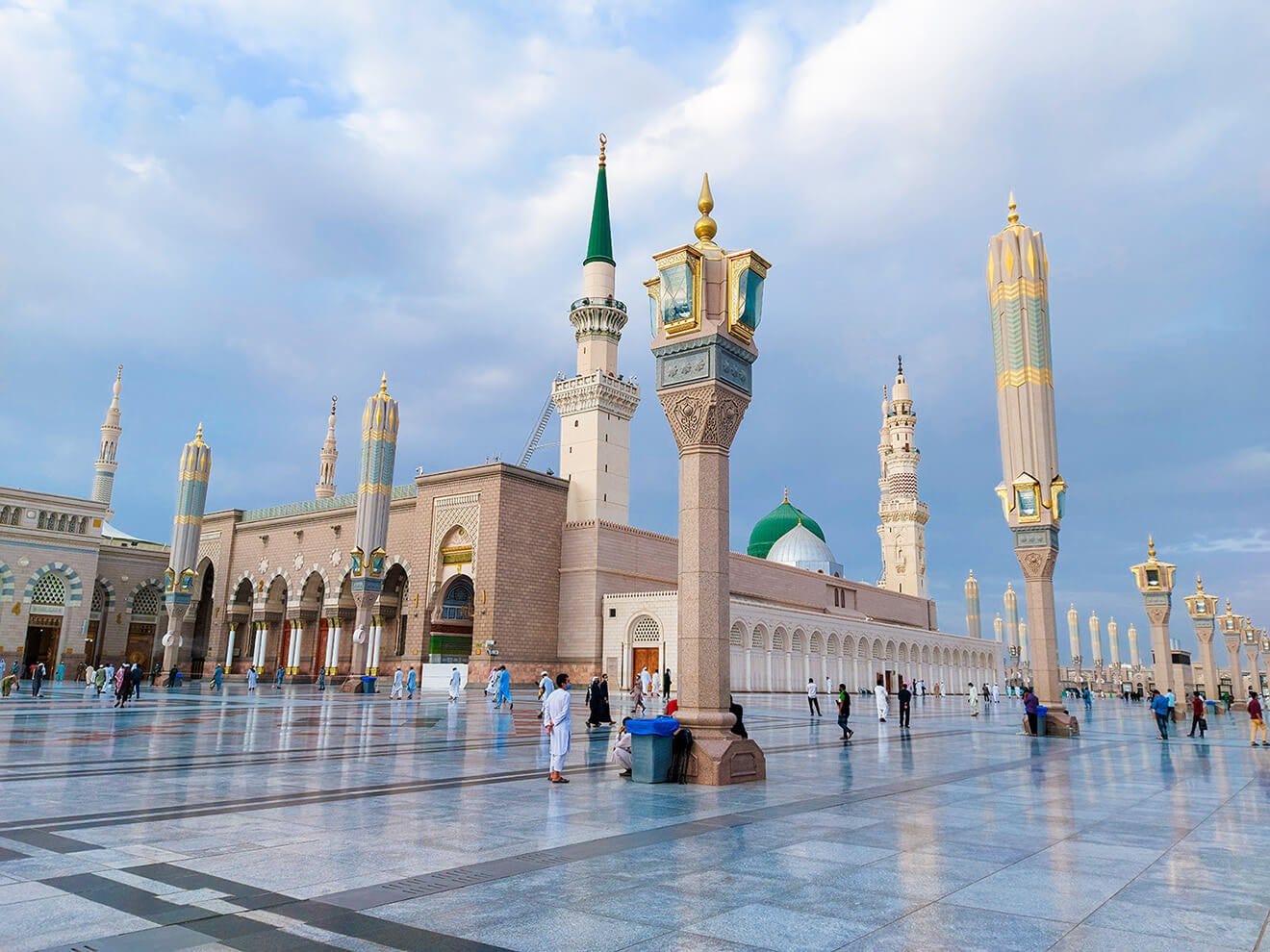
Al Masjid an Nabawi: The Prophet’s Mosque, which houses the Noble Rawdah.
Phase 6: Health and Safety
Vaccination and Health Requirements
You are required to present proof of vaccination against Meningitis (ACYW135). You should check for updates on COVID-19, Polio, or flu shot requirements based on your country of origin before traveling.
Travel Insurance
Comprehensive Travel Insurance is mandatory. It is typically included in the visa fee and covers emergency medical issues within the Kingdom of Saudi Arabia. You can buy extra private insurance if you want coverage for baggage or flight cancellations.
Practical Safety
Keep digital and physical copies of your passport and visa. It is smart to wear a lanyard with your name, hotel information, and a contact number. Always agree on a meeting point with your group in case you get separated.
Conclusion
Planning a pilgrimage requires you to balance spiritual preparation with logistical precision. You must secure the correct visa, master the Nusuk Platform, and select the right transport options like the Haramain High Speed Railway.
Don’t want to handle the logistics yourself? Let Tawaf e Haram Travel manage your 2026 umrah Journey.
Frequently Asked Questions
How much does Umrah cost in 2026?
The cost varies based on your package tier. Economy packages with shared rooms and bus transport start lower. VIP packages involving Clock Tower Hotels and private transport cost significantly more. You must budget for flights, visa fees, and daily expenses. Prices fluctuate, so check rates three to six months in advance.
Can I perform Umrah on a tourist visa?
Yes. Holders of a valid Tourist Visa are permitted to perform Umrah, except during the restricted Hajj days. You must still use the Nusuk Platform to book your specific Umrah slot and follow all rules.
How do I book Rawdah slots?
You are required to use the Nusuk Platform. Create an account, select the service for the Prophet’s Mosque, and choose “Booking for Noble Rawdah.” Slots are limited and open weekly. You need to book well in advance of your arrival in Madinah. On the day of your visit, bring your digital permit to the gate.
